Charting Credit Migration Routes From Regional Tournaments Into Tiered Gaming Perks Across Platforms
Written by Zoe Vogel · Aug 20, 2026
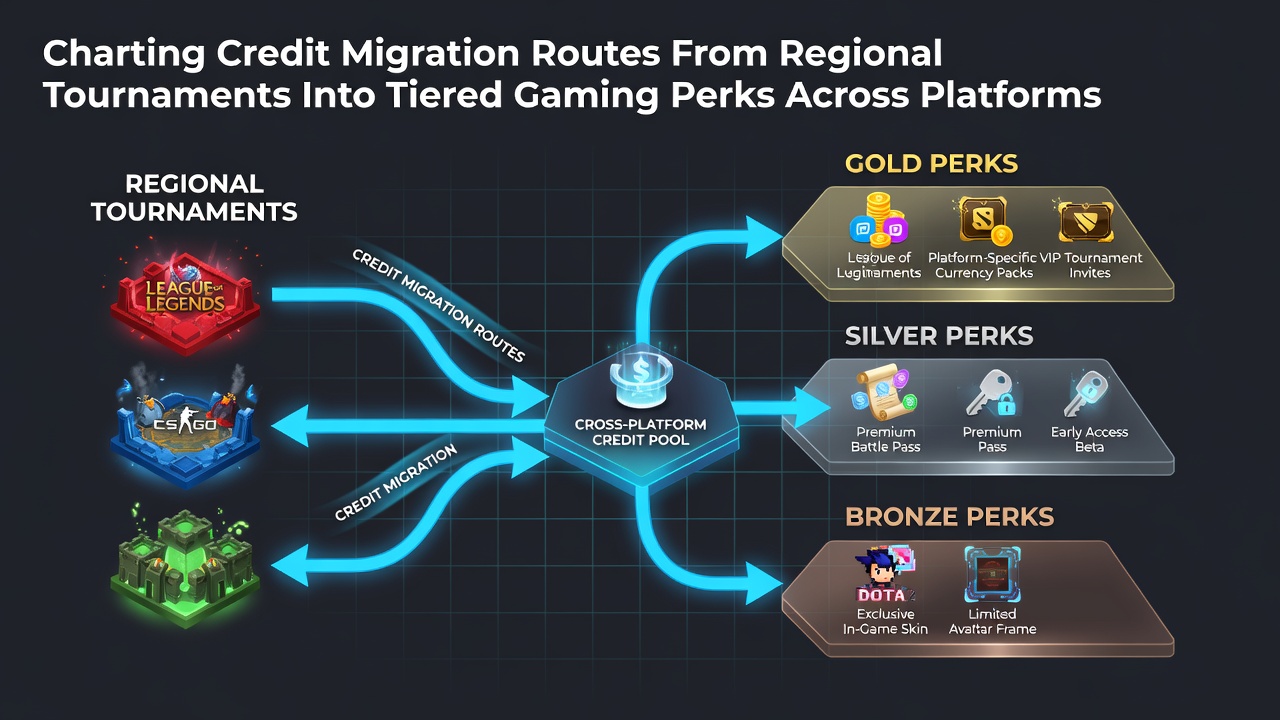
Charting Credit Migration Routes From Regional Tournaments Into Tiered Gaming Perks Across Platforms
Regional tournaments generate entry-level credits that participants carry forward into larger digital ecosystems, and these credits often convert through standardized exchange protocols that platforms maintain for cross-genre use. Observers note that the process begins when local events award points or tokens tied to performance metrics, then those values transfer via player accounts that link multiple services together.
Mechanics of Credit Generation at Regional Events
Regional tournaments award credits based on placement, participation volume, and ancillary activities such as spectator engagement or team contributions, while data from event organizers shows consistent patterns where top finishers receive between 500 and 5000 units depending on prize pools. These credits enter player profiles immediately after verification, and integrated systems track them through unique identifiers that remain valid when accounts sync across devices or operators. Researchers have documented how smaller circuits feed into mid-tier leagues, creating a pipeline where accumulated regional credits qualify holders for invitation-only qualifiers that unlock additional reward layers.
Pathways That Move Credits Between Platforms
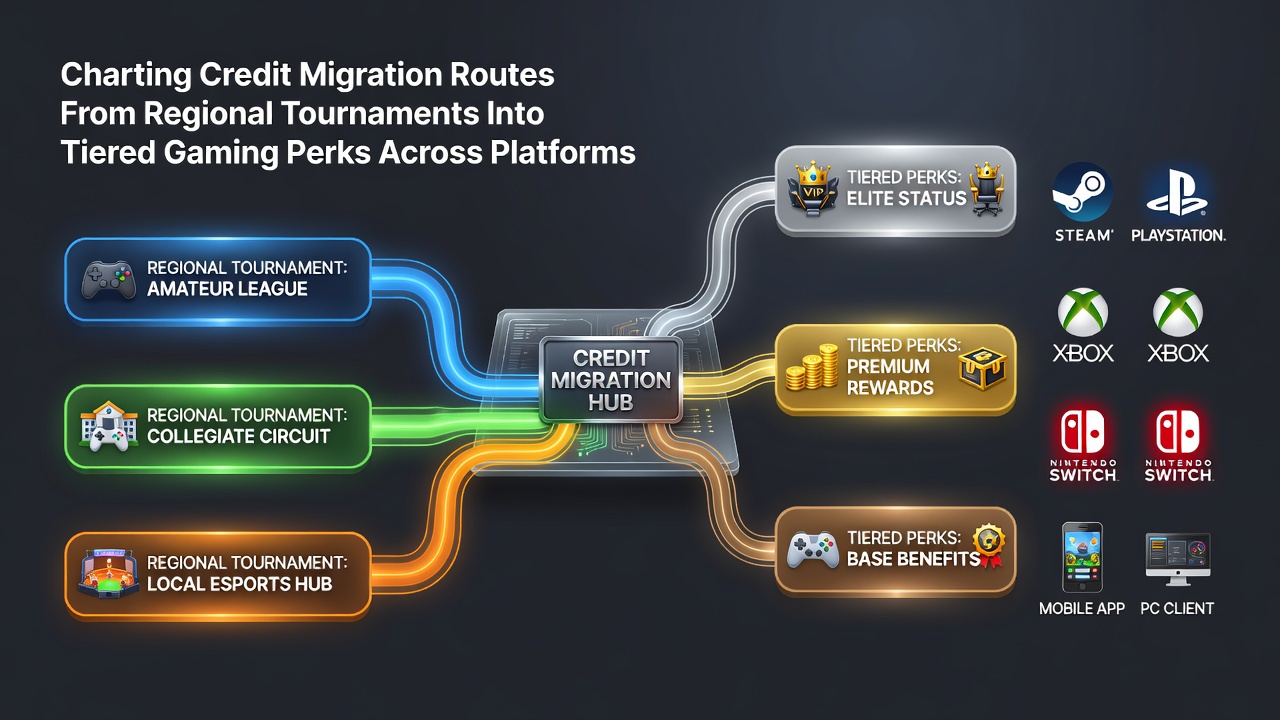
Players activate migration by linking verified profiles, and once connected the credits convert at fixed ratios that platforms publish in their terms, for example one regional unit equaling 0.8 platform credits after processing fees. Systems handle transfers in batches during scheduled windows, and this timing allows operators to reconcile balances before perks activate on the destination side. Data indicates that multi-genre environments accelerate these routes because a single account can apply tournament credits toward sports outcomes, table games, or live dealer sessions without separate registrations. In August 2026 several platforms updated their sync APIs to shorten settlement times from 72 hours to 24, which observers say increased the volume of active migrations by measurable margins.
Tiered Perks and How Accumulated Credits Unlock Them
Tiered structures assign benefits according to cumulative credit thresholds, and each level grants access to exclusive tournaments, reduced fees, or personalized reward multipliers that apply across connected services. Entry into the first tier typically requires 10,000 migrated credits, while higher bands demand 50,000 or more, with perks scaling accordingly from bonus entries to direct cash equivalents. Studies reveal that players who route credits sequentially through seasonal events reach elite tiers faster than those who focus on single-platform activity, because cross-environment accumulation compounds faster under combined rulesets. Industry reports from the European Gaming and Betting Association highlight that such tier progression correlates with extended account activity spans when credits originate from verified regional sources.
Data Patterns and Platform Integration Examples
Analytics platforms record that credits originating in North American circuits frequently migrate toward European and Asian servers during off-peak seasons, and this movement aligns with global event calendars that keep balances active year-round. One documented pathway shows regional poker credits converting into casino floor credits on integrated apps, while another traces esports tournament points into live dealer access on the same user profile. Figures from regulatory filings in Nevada demonstrate that operators must log these migrations for compliance, and the records reveal steady quarterly growth in cross-platform transfers since 2024. Those who monitor these systems note that API updates scheduled for late 2026 aim to standardize conversion rates further, reducing discrepancies that currently appear between different operator networks.
Regulatory Context Shaping Migration Rules
Government agencies in multiple jurisdictions require clear disclosure of conversion rates and holding periods, and this oversight ensures credits retain value during transfer without unexpected deductions. Australian state regulators, for instance, mandate quarterly audits of credit ledgers, and similar requirements appear in Canadian provincial frameworks that track player balances across licensed platforms. These rules create transparent routes that both operators and participants follow, and compliance data shows lower dispute rates when migration steps remain documented from the regional event stage onward.
Conclusion
Regional tournament credits continue to feed tiered gaming structures through documented exchange mechanisms that platforms refine on regular schedules. The routes remain traceable via account identifiers and batch processing windows, while regulatory standards maintain consistency across borders. Updated integration tools scheduled for 2026 are expected to streamline these flows further, and existing records already demonstrate measurable activity increases tied to clearer migration protocols.