Charting Cross-Border Bonus Flows: How International Tournament Cycles Reshape Hybrid Wagering Credit Lifecycles
Written by Zoe Vogel · Jul 25, 2026
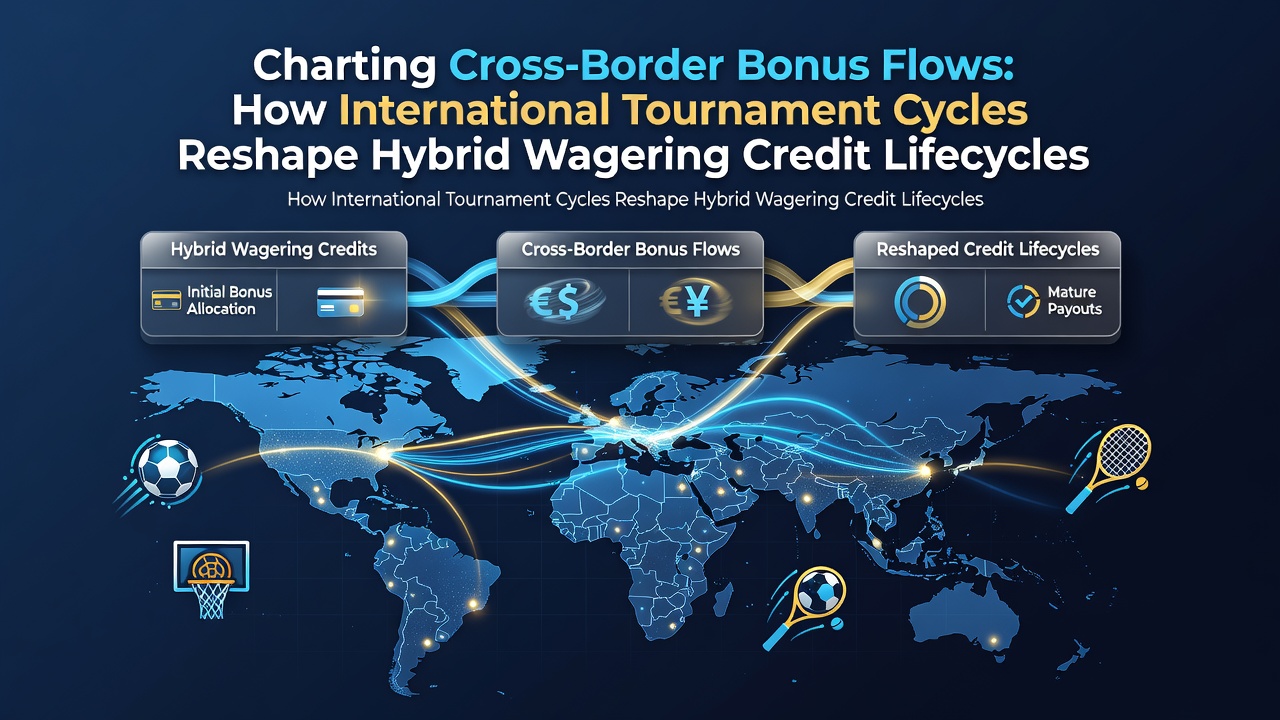
Charting Cross-Border Bonus Flows: How International Tournament Cycles Reshape Hybrid Wagering Credit Lifecycles
International tournament cycles such as the FIFA World Cup and UEFA European Championship create measurable shifts in how promotional credits move across borders in hybrid wagering environments, where sports betting and casino products operate on shared platforms. These events trigger spikes in player activity that alter the typical lifecycle of bonus credits from initial activation through wagering requirements and eventual redemption, with data indicating accelerated flows when tournaments span multiple time zones and regulatory jurisdictions.
Tournament Timing and Credit Activation Patterns
During major international competitions, operators adjust bonus structures to align with match schedules, and this practice leads to distinct activation patterns that cross national boundaries. Research from industry monitoring services shows that credits issued in one country often migrate to platforms in another when players follow teams from different regions, particularly as live betting opportunities expand during group stages and knockout rounds. In the lead-up to the 2026 FIFA World Cup, which features matches across North America through July 2026, preliminary figures reveal early surges in cross-border account linkages tied to pre-tournament promotions.
Hybrid environments compound these movements because casino rewards frequently attach to sports outcomes, allowing credits earned on a football wager to convert into live dealer sessions or slot play on the same ecosystem. Observers note that this integration shortens the time between activation and first wager, while longer tournaments extend the overall lifecycle as players chase accumulated tier benefits across successive matches.
Regulatory Variations Across Regions
Different regulatory frameworks influence how credits travel during these cycles. European markets governed by national licensing bodies demonstrate higher volumes of cross-border redemptions compared to more segmented North American systems, where state-level rules can restrict transferability. According to reports published by the European Gaming and Betting Association, tournament periods correlate with a 30 to 40 percent increase in multi-jurisdiction bonus usage, driven by players accessing promotions from neighboring countries through VPN or multi-account strategies that remain within legal parameters.
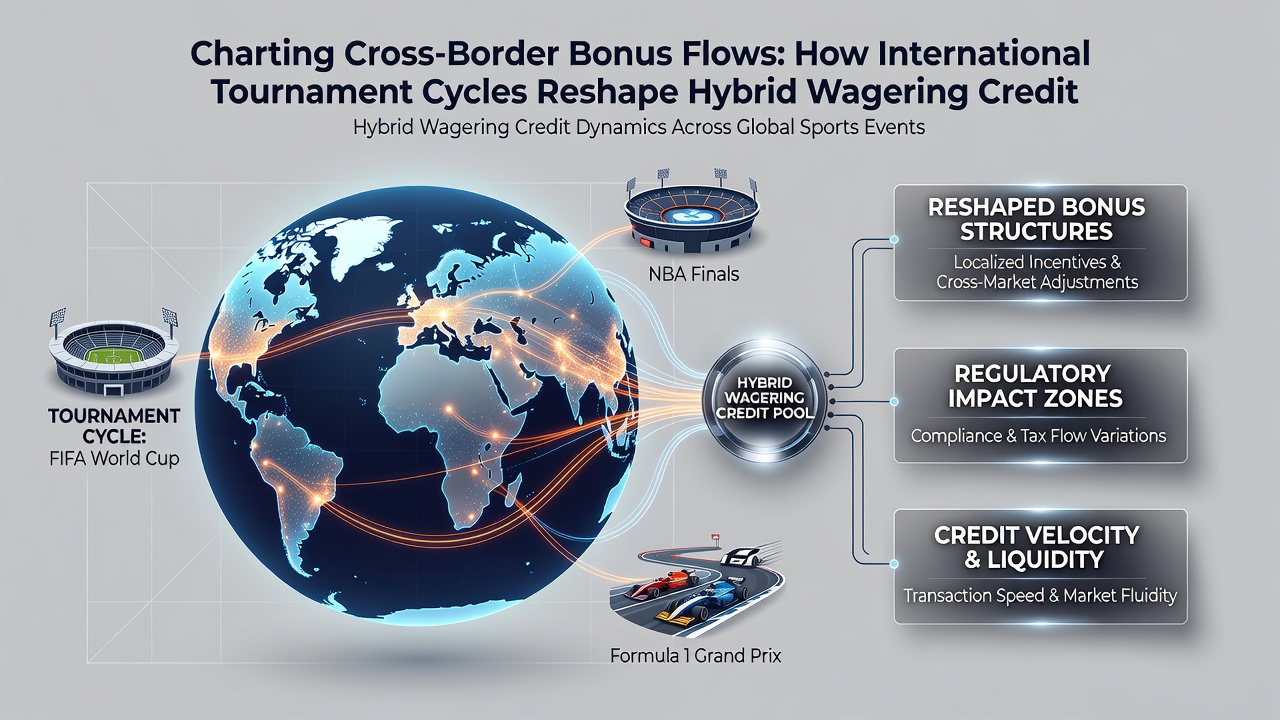
Canadian provincial regulators and Australian state authorities have documented similar patterns, though their data emphasize stricter wagering requirements that stretch redemption timelines when credits originate from international tournament bonuses. These variations create distinct flow channels, with credits activated in less restrictive markets often completing their lifecycles in stricter ones as players seek optimal payout conditions.
Player Migration and Platform Integration
Player migration during tournament cycles follows predictable routes tied to team performance and broadcast availability. Studies of user behavior indicate that supporters of high-performing national sides tend to consolidate activity on platforms offering hybrid rewards, moving credits between sports and casino verticals as matches progress. This consolidation accelerates when operators introduce event-specific multipliers that apply across both product types, turning a single tournament bet into layered casino incentives that persist beyond the final whistle.
Those who track account-level data observe that hybrid platforms experience elevated retention when credits carry over from one tournament phase to the next, reducing the usual drop-off after group stages. The 2026 World Cup schedule, with its expanded 48-team format and extended calendar, is expected to amplify these effects through prolonged engagement windows that span multiple weeks in July 2026.
Data-Driven Adjustments by Operators
Operators rely on algorithmic monitoring to adjust credit parameters in real time as tournament cycles unfold. Metrics such as cross-border login frequency, average wager size, and redemption velocity feed into systems that recalibrate bonus values to manage liability across regions. Industry reports highlight that these adjustments become more pronounced when matches occur simultaneously in different continents, forcing platforms to balance promotional outflows against incoming deposits from newly engaged users.
Evidence from integrated betting environments demonstrates that credits tied to live tournament events convert at higher rates into casino play than standard sports bonuses, creating secondary lifecycles that extend platform revenue beyond the sports calendar. This interplay becomes especially visible in markets where regulatory changes permit greater flexibility in cross-product reward structures.
Conclusion
International tournament cycles continue to reshape the movement and duration of hybrid wagering credits by aligning promotional mechanics with global event schedules and varying regulatory conditions. Data from multiple jurisdictions confirm that these periods generate distinct flow patterns, with credits traversing borders and product types in ways that standard operations do not replicate. As the 2026 FIFA World Cup approaches, monitoring services anticipate further evolution in these dynamics, driven by expanded match calendars and deeper integration between sports and casino rewards across platforms.