Inside the Algorithms: How Data Drives Personalized Bonus Allocations for Bettors and Gamers
Written by Finley Klein · May 21, 2026
Inside the Algorithms: How Data Drives Personalized Bonus Allocations for Bettors and Gamers
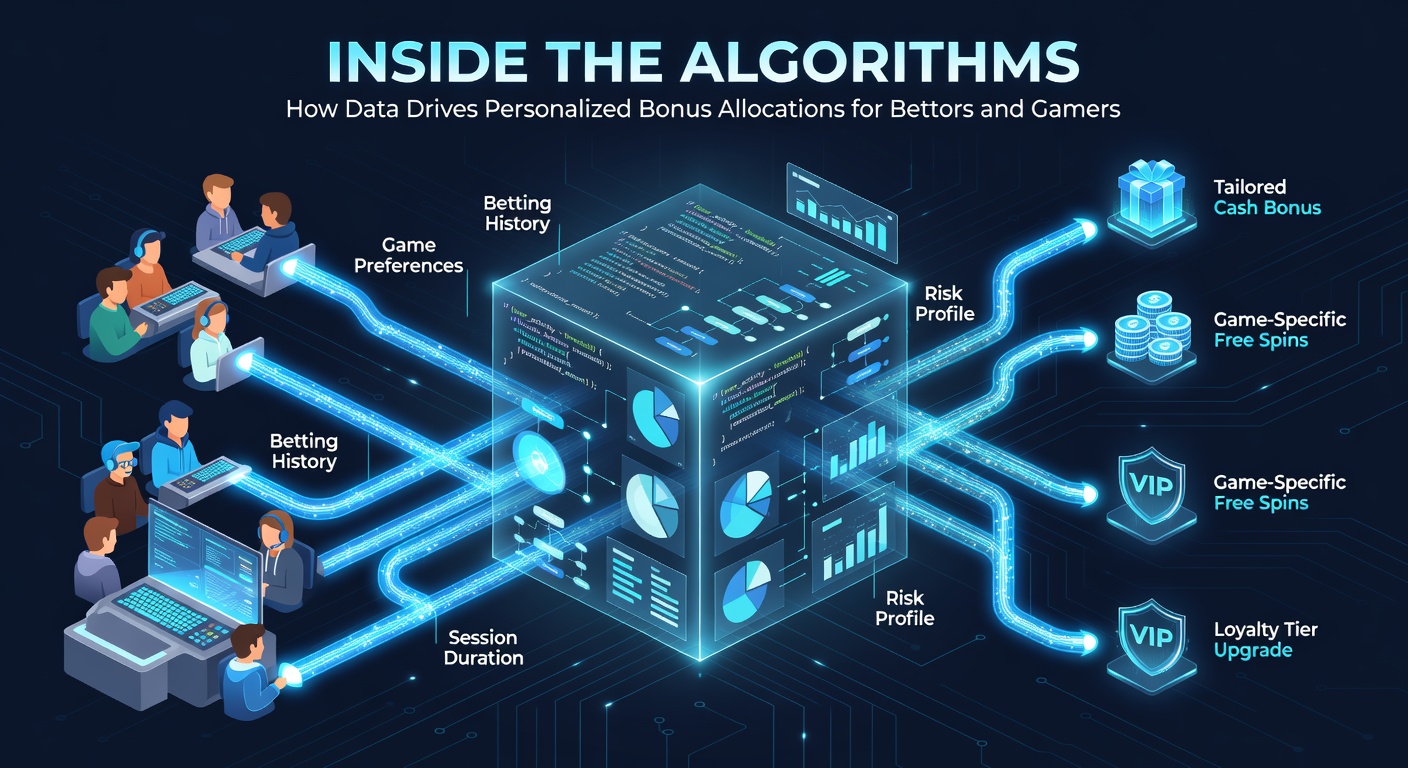
Algorithms now sit at the core of how betting platforms and gaming operators distribute rewards, pulling from layers of behavioral signals, transaction histories, and engagement metrics to shape offers that match each user's profile. Data collection begins the moment a player registers, capturing details such as deposit frequency, preferred game types, session lengths, and response rates to previous promotions, while machine learning models refine these inputs over time to predict which incentives will trigger the next action. Operators segment audiences through clustering techniques that group individuals by risk tolerance, loyalty duration, and spending velocity, allowing systems to route high-volume users toward reload bonuses tied to specific sports markets or slot categories. Real-time adjustments occur as fresh data streams in, so an account that shifts from conservative wagers to higher-stakes live events may see its bonus structure recalibrated within hours rather than days.Data Inputs That Shape Allocation Decisions
Multiple variables feed the models simultaneously, ranging from raw financial metrics like average bet size and win-loss ratios to softer indicators such as click patterns on promotional banners and time spent reviewing terms. Platforms integrate third-party enrichment data where regulations permit, pulling in demographic overlays and device usage statistics to sharpen targeting precision without violating consent frameworks that took effect across several jurisdictions in early 2025.
Researchers at the University of Nevada, Las Vegas have documented how these combined datasets enable operators to forecast churn risk with increasing accuracy, prompting preemptive bonus offers that include flexible wagering requirements or extended validity windows for users showing declining activity. The process relies on continuous feedback loops, so each redeemed or ignored offer updates the model and influences the next allocation cycle.
Algorithmic Techniques Behind the Scenes
Recommendation engines adapted from e-commerce and streaming services drive much of the personalization, applying collaborative filtering alongside content-based approaches to match bonus types with observed preferences. A player who consistently engages with table games during evening hours might receive targeted free-play credits for blackjack variants, while a sports bettor active during major league seasons could see enhanced odds boosts on specific fixtures.
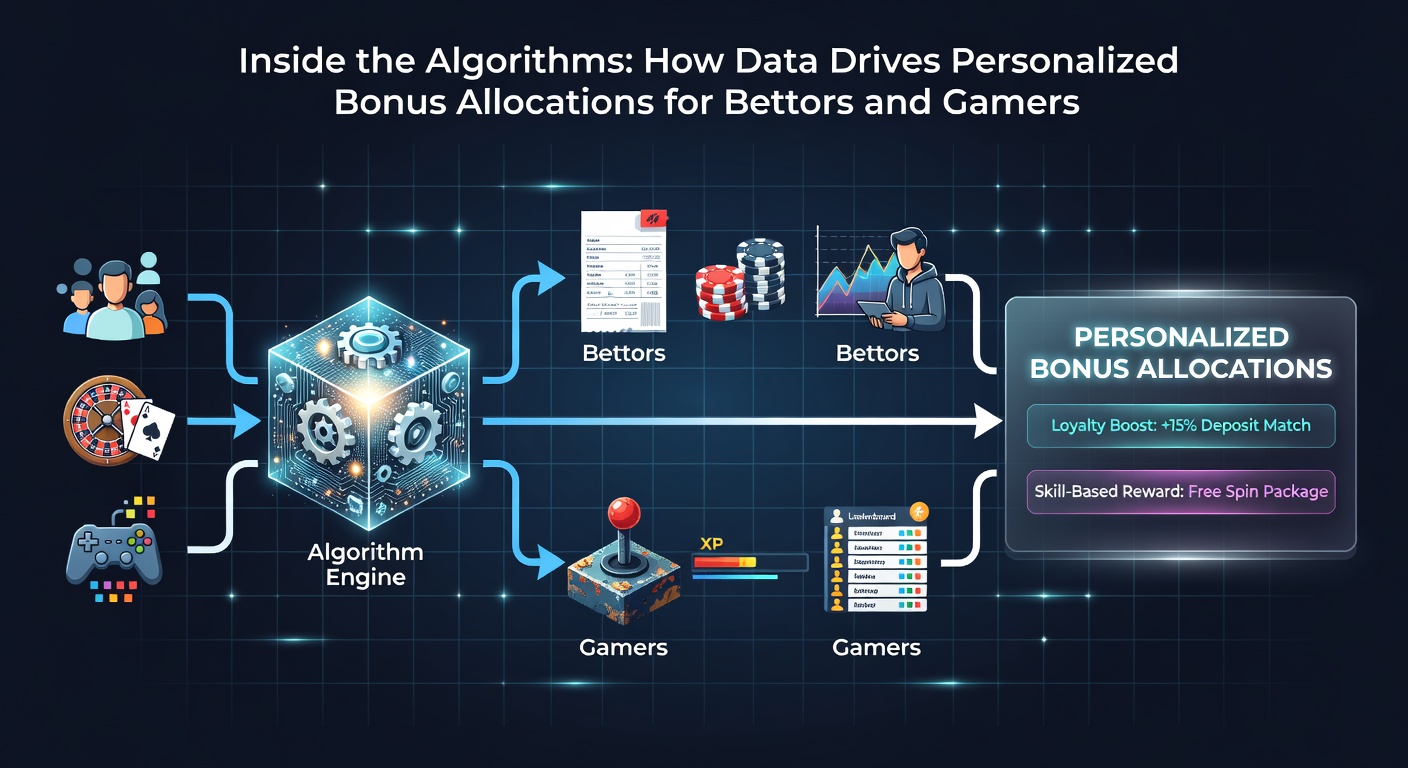
Reinforcement learning components test variations at scale, running controlled experiments across thousands of accounts to measure uplift in deposit volume or retention days, then scaling the winning variants. According to reports published by the Nevada Gaming Control Board, operators must maintain audit trails of these experiments to demonstrate fairness and prevent discriminatory outcomes, a requirement that becomes stricter under rules scheduled for full enforcement in May 2026.
Regional Regulatory Influences on Data Use
European operators navigate the General Data Protection Regulation alongside national gambling statutes, which restrict certain forms of behavioral profiling and require explicit opt-in for cross-platform data sharing. In contrast, frameworks in parts of North America and Australia emphasize transparency around automated decision-making, compelling platforms to disclose how data influences bonus eligibility when users request explanations.
Industry groups such as the European Gaming and Betting Association track these evolving standards and publish guidance on compliant algorithmic design, noting that platforms able to balance personalization with privacy safeguards tend to sustain longer user relationships. Data minimization practices have gained traction, limiting the variables fed into models to those directly tied to responsible gaming outcomes and commercial objectives.
Practical Outcomes for Users and Platforms
Players encounter bonuses that appear more relevant because the underlying systems have learned their habits, yet the same mechanisms allow operators to cap exposure on accounts flagged for elevated risk through spend velocity alerts or session time thresholds. Case examples shared in academic papers illustrate how a mid-tier user who receives a modest cashback offer after a losing streak often returns sooner than one presented with a generic promotion that fails to address recent activity.
Platforms report measurable lifts in key performance indicators when allocations move away from one-size-fits-all structures toward individualized paths, though the exact percentages vary by market and product mix. The shift also supports compliance teams, because granular data trails make it easier to demonstrate that bonus terms align with player protection mandates rather than encouraging excessive play.
Conclusion
As May 2026 approaches, operators continue refining these algorithmic systems in anticipation of tighter reporting obligations, investing in explainable AI tools that let both regulators and users understand the logic behind each personalized allocation. The result is an ecosystem where data serves dual purposes: delivering tailored incentives that match individual patterns while supporting the oversight required to maintain market integrity across jurisdictions.