Linkages Between Athletic Outcome Rewards and Advancement in Randomized Gaming Formats Within Multi-Service Platforms
Written by Dana Becker · Jul 30, 2026
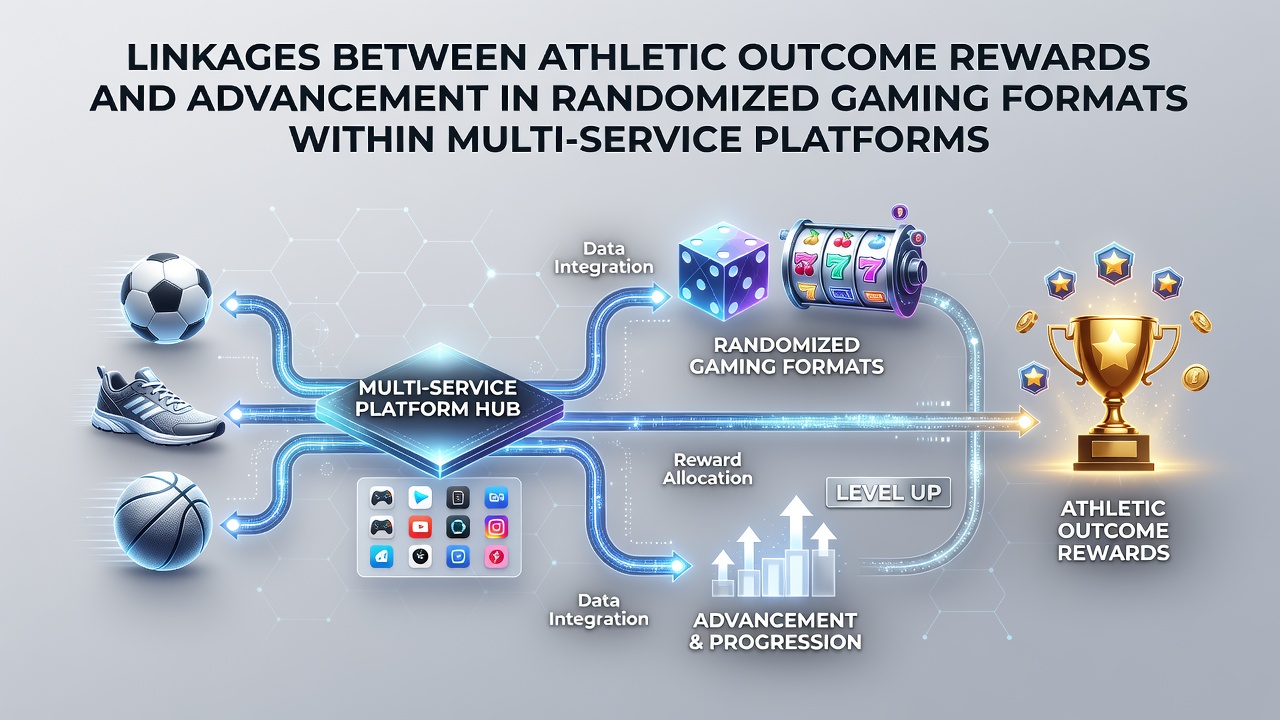
Linkages Between Athletic Outcome Rewards and Advancement in Randomized Gaming Formats Within Multi-Service Platforms
Multi-service platforms combine sports wagering with randomized gaming formats such as slot progressions and table game tiers, creating direct pathways where athletic outcome rewards feed into casino-style advancement systems. These linkages operate through conversion mechanics that translate sports betting credits or tier points into randomized game multipliers and level unlocks, and data from integrated operators shows consistent uptake across user segments.
Mechanics of Reward Conversion
Platforms structure these connections by assigning point values to sports results that carry over into randomized environments, so a successful parlay on a live event generates credits redeemable for spins or bonus rounds in slot formats. Observers note that the conversion ratios often follow fixed schedules where one sports reward unit equals a set number of randomized game entries, allowing users to advance loyalty tiers without separate deposits. Research indicates these systems activate automatically once thresholds are met, and figures from operator dashboards reveal higher engagement when sports outcomes align with ongoing casino promotions.
Operators track these flows through unified account ledgers that log every transfer, and in July 2026 several platforms updated their backend protocols to reduce latency between sports settlement and randomized game access. Those who've examined the code note that API calls between the two modules ensure seamless progression, while regulatory filings confirm compliance with data segregation rules across jurisdictions.
Player Migration Patterns and Retention Data
Studies of user behavior demonstrate that participants who receive athletic outcome rewards migrate into randomized gaming at rates exceeding 60 percent within 48 hours of credit issuance. One analysis of anonymized session logs found that users starting from sports victories completed more randomized game rounds before exiting, and retention metrics improved when advancement in randomized formats granted additional sports-related perks in return. Platforms report these bidirectional flows stabilize overall activity levels, particularly during periods when major athletic calendars overlap with casino event schedules.
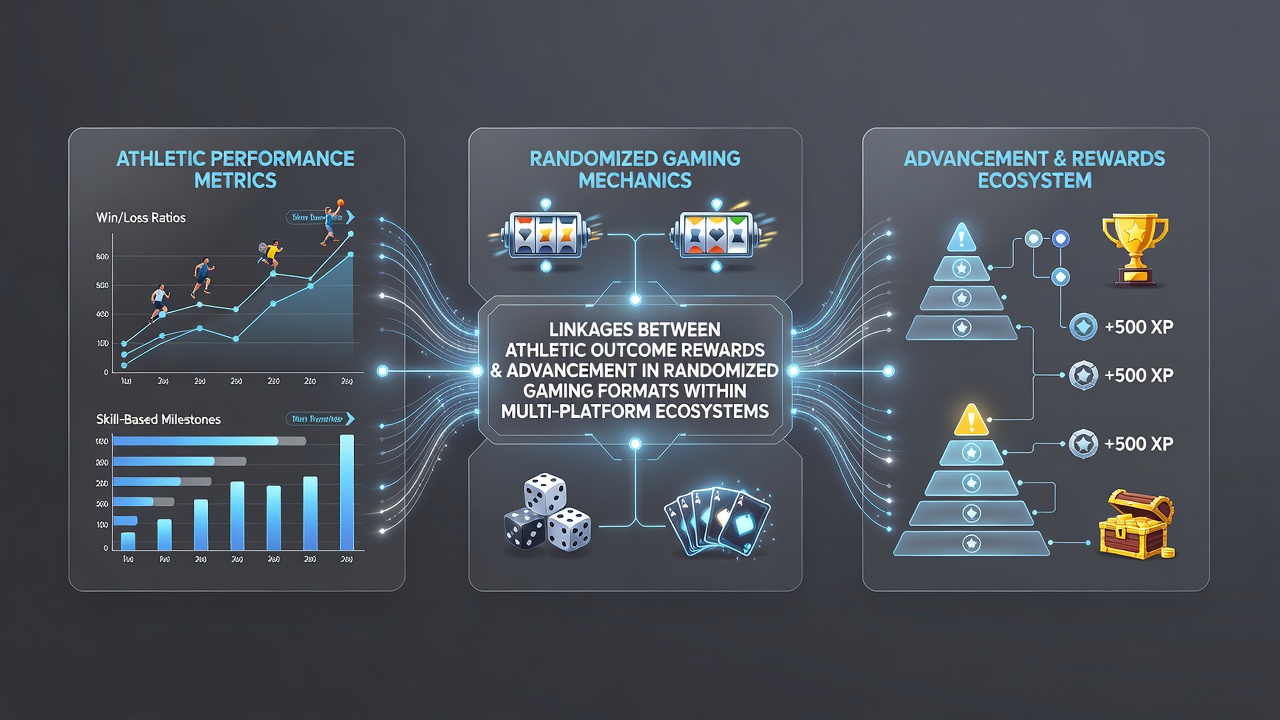
According to findings published by the University of Nevada, Reno's International Gaming Institute, cross-genre reward sequencing correlates with extended platform dwell time, and the institute's 2025 longitudinal dataset tracked over 120,000 accounts to establish these patterns. The same report noted that randomized format tiers reached through sports credits showed completion rates comparable to those funded directly, suggesting the linkage itself drives sustained participation rather than the reward source alone.
Regulatory Considerations Across Regions
Regulatory bodies in multiple jurisdictions monitor these integrated systems to ensure reward transparency and prevent unintended escalation of play. The Alcohol and Gaming Commission of Ontario requires clear disclosure of conversion rates in user agreements, and similar provisions appear in guidelines issued by the New Jersey Division of Gaming Enforcement. In Australia, the Productivity Commission has examined how athletic rewards intersect with randomized gaming, highlighting the need for spending limit tools that apply uniformly across both formats. These frameworks emphasize audit trails that document every transfer from sports outcomes into randomized advancements.
Operators adjust their systems to meet these standards by embedding compliance checks at each conversion step, and industry reports indicate that platforms passing external audits experience fewer interruptions in reward distribution. Data from these audits shows that clear linkages reduce disputes over credit allocation while maintaining separation between skill-based sports elements and chance-based randomized formats.
Technical Implementation and Algorithmic Design
Backend algorithms determine eligibility and scaling for each linkage, using real-time sports data feeds to calculate reward values before applying randomized game multipliers. Developers integrate machine learning models that predict optimal conversion windows based on historical user patterns, and these models update continuously as new athletic seasons begin. Observers note that such designs prevent bottlenecks during high-volume periods, and testing protocols include stress simulations that replicate peak event days.
Security layers encrypt the transfer process to protect account integrity, while monitoring systems flag unusual activity that might indicate manipulation of either sports or randomized outcomes. Industry associations have published best-practice documents outlining these technical safeguards, and platforms that adopt them report fewer compliance incidents in annual reviews.
Conclusion
Linkages between athletic outcome rewards and randomized gaming advancement function through structured conversion systems that operators refine with each regulatory cycle and technical update. Evidence from regulatory filings, academic datasets, and platform metrics shows these connections shape user progression across multi-service environments, and continued documentation of their mechanics supports transparent operation in evolving markets.