Mapping Algorithmic Influences on Sequential Reward Pathways in Mobile Entertainment Networks
Written by Finley Klein · Jun 20, 2026
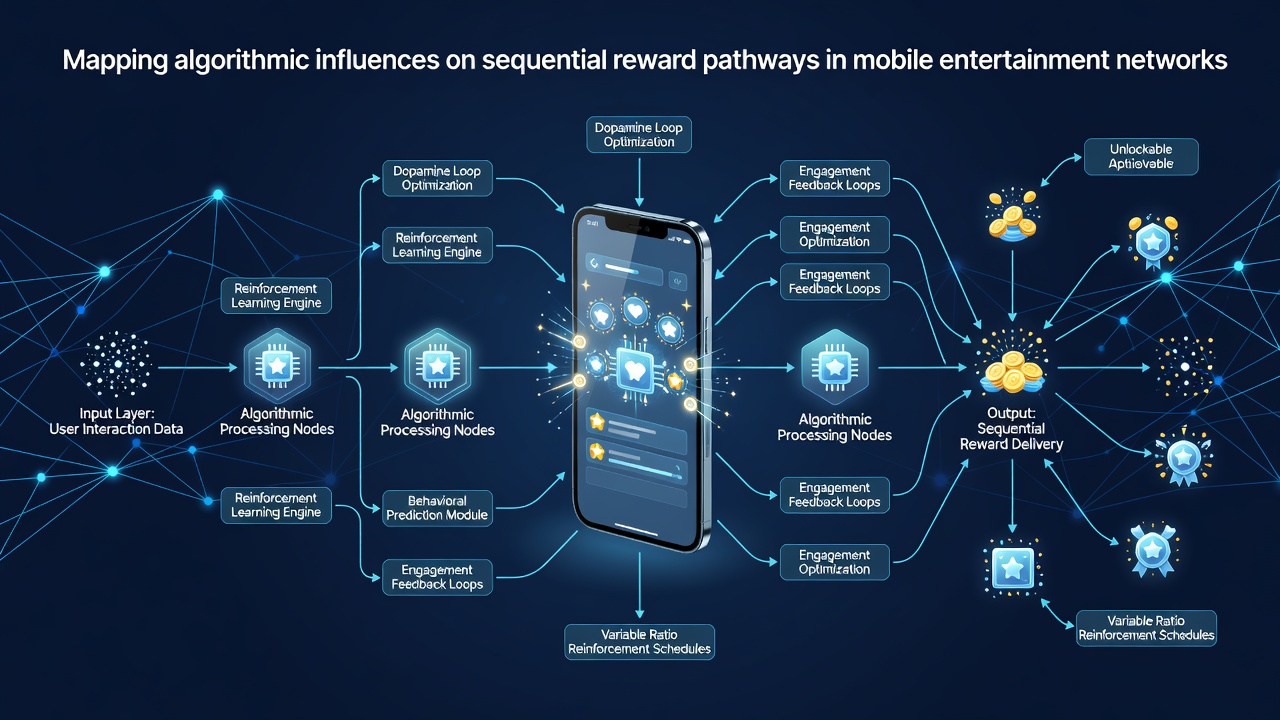
Mapping Algorithmic Influences on Sequential Reward Pathways in Mobile Entertainment Networks
Algorithms shape user progression through mobile entertainment networks by analyzing behavioral signals and delivering tailored incentives that guide individuals from initial interaction toward sustained participation, and these systems operate across video streaming services, social gaming platforms, and music applications where data collection occurs at every touchpoint. Researchers track these patterns through metrics such as session duration, content completion rates, and return frequency, which feed into models that predict and adjust reward sequences in real time.
Core Mechanisms Behind Algorithmic Mapping
Sequential reward pathways emerge when platforms collect granular user data including swipe patterns, pause points, and social shares, then apply machine learning techniques to forecast next actions and insert micro-rewards like achievement badges or personalized recommendations that encourage continued movement along the path. Data from industry reports indicates that these mappings rely on reinforcement learning frameworks where each user action updates probability weights for subsequent offers, creating feedback loops that strengthen engagement over multiple sessions.
Observers note that mobile networks differ from desktop environments because constant connectivity allows for immediate adjustments based on location, device type, and time of day, so an algorithm might escalate reward intensity during commute hours or reduce it during peak work periods to maintain optimal pacing. According to studies published by the OECD in digital platform analyses, such dynamic sequencing has been observed in entertainment apps serving millions of users across Europe and Asia where regulatory scrutiny focuses on transparency of these processes.
Data Integration Across Multi-Platform Environments
Entertainment networks often span multiple genres and devices, which means algorithms must reconcile data streams from in-app purchases, video views, and social interactions to build unified user profiles that map reward eligibility across boundaries. This integration enables pathways where early-stage rewards in one module, such as a free level unlock in a game, transition users toward higher-value activities like premium content access in a connected streaming service, and the process relies on graph-based modeling to identify influential nodes in the sequence.
Figures from academic research at institutions in Australia reveal that platforms employing cross-genre mapping see measurable shifts in user migration patterns, particularly when seasonal events trigger bonus structures that align with live content drops or collaborative challenges. Those who've examined these systems point out that June 2026 brought updated guidelines from the Australian Communications and Media Authority emphasizing disclosure requirements for algorithmic reward visibility in consumer-facing apps.
Examples of Pathway Construction in Practice
Take one case where a mobile music platform sequences rewards by first offering personalized playlist completions that unlock artist exclusives, then escalates to community features that reward sharing with virtual currency redeemable for concert tickets, and this progression depends on continuous calibration against cohort performance data. Another instance involves social video apps that start users with short-form content loops and progressively introduce longer formats tied to watch-time milestones, creating a chain where each completed stage influences the visibility of subsequent incentives.
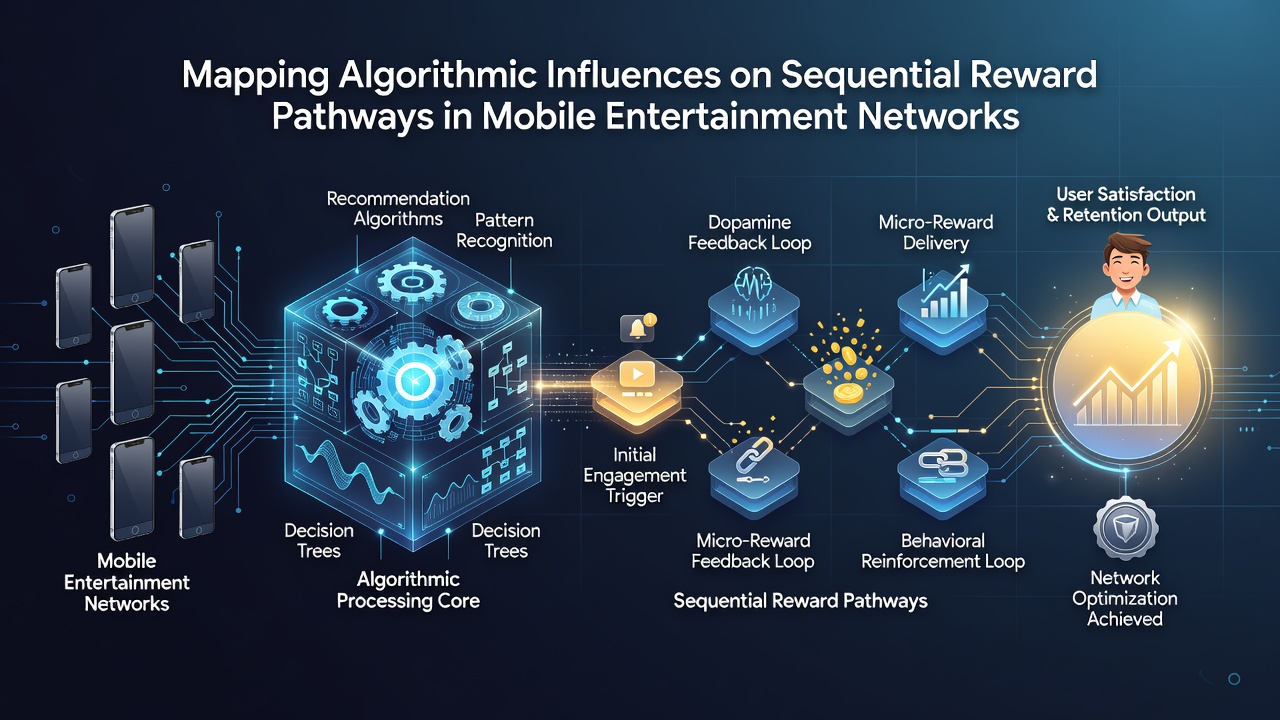
What's significant is how external factors such as network latency or regional content licensing affect these mappings, prompting algorithms to reroute users toward alternative pathways when primary sequences encounter blocks, and evidence from Canadian research consortia shows regional variations in reward density based on regulatory environments.
Measurement and Adjustment Techniques
Teams monitoring these systems employ A/B testing frameworks to evaluate how alterations in reward timing or value impact progression rates, with adjustments applied through automated pipelines that process millions of interactions daily. Research indicates that key performance indicators include pathway completion percentages and drop-off points, which inform refinements to avoid user fatigue while maximizing retention signals.
Yet patterns emerge where certain demographic segments respond differently to the same sequence, leading developers to segment mappings further by age group, geographic cluster, or device category, and this segmentation draws on anonymized datasets shared through industry associations in the European Union.
Conclusion
Mapping algorithmic influences on sequential reward pathways continues to evolve as mobile entertainment networks incorporate new data sources and refinement methods, with ongoing documentation from regulatory bodies and research entities providing the factual foundation for understanding these dynamics. The interplay between user signals and automated adjustments remains central to how individuals navigate these environments across global markets.