Seasonal Event Triggers Shape Tiered Reward Sequencing in Hybrid Wagering Apps
Written by Dana Becker · Aug 24, 2026
Seasonal Event Triggers Shape Tiered Reward Sequencing in Hybrid Wagering Apps
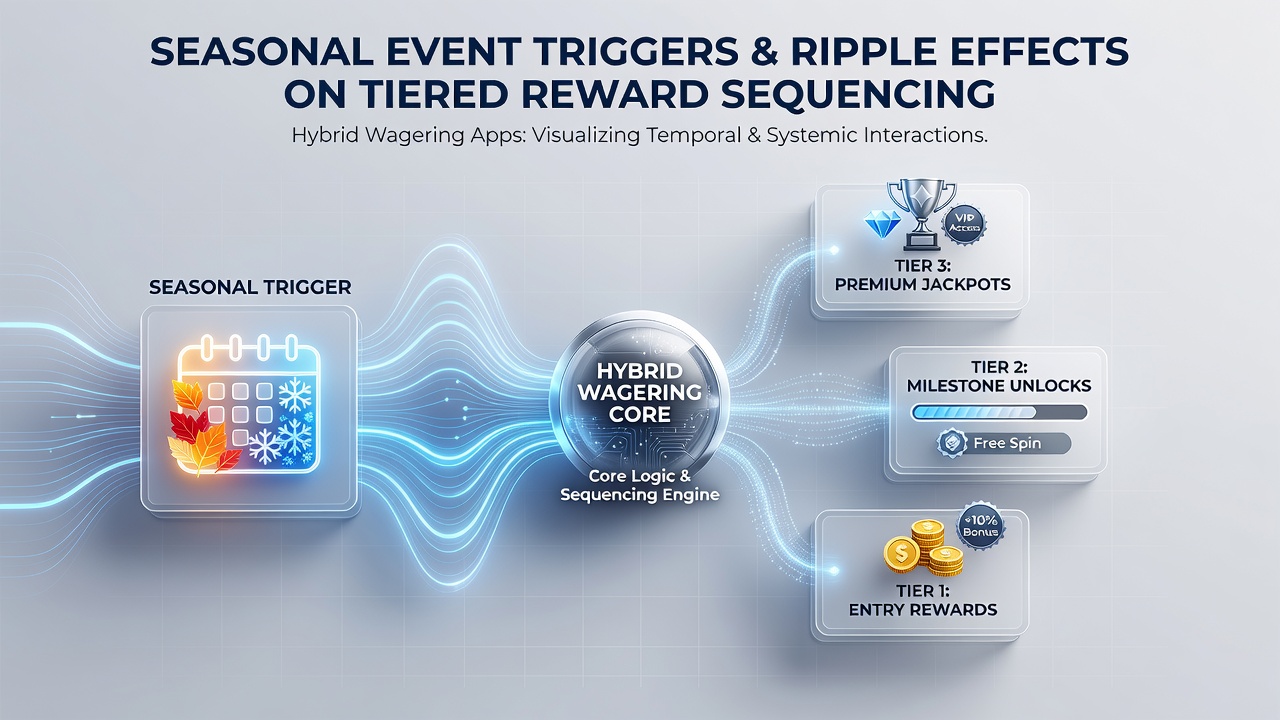
Seasonal events activate specific triggers that alter how tiered rewards unfold in applications combining sports betting with casino games, and researchers have tracked these patterns across multiple platforms since the mid-2020s. Data from industry reports indicate that holiday periods, major sporting calendars, and weather-related shifts prompt operators to release time-limited credits or multipliers, which then feed directly into loyalty tier calculations.
Those who study player progression note that a single seasonal trigger rarely stays isolated because the initial bonus often counts toward tier advancement thresholds, creating a sequenced effect that extends weeks beyond the original event. For instance, summer promotions tied to major tennis tournaments or outdoor festivals have been shown to accelerate movement from basic reward levels to mid-tier status when users complete linked sports wagers and casino sessions within the same app ecosystem.
Mechanics Behind Event-Activated Triggers
Operators program triggers around predictable calendars so that August 2026 back-to-school campaigns and late-summer sports finales will release deposit-match credits or free game rounds that automatically register against tier requirements. Studies from regional gaming associations reveal these mechanics rely on real-time activity tracking, where each completed wager or spin updates a shared progress meter visible across both sports and casino sections of the application.
Because the systems link multiple game types, a user who starts with a seasonal sports bet can see the resulting points roll into casino-tier eligibility without manual transfer, and observers have documented cases where this seamless sequencing increases session length by measurable margins during peak event windows. The ripple appears when early-tier users reach higher brackets faster, unlocking personalized offers that reference both the original seasonal trigger and subsequent activity.
Observed Ripple Effects on Sequencing
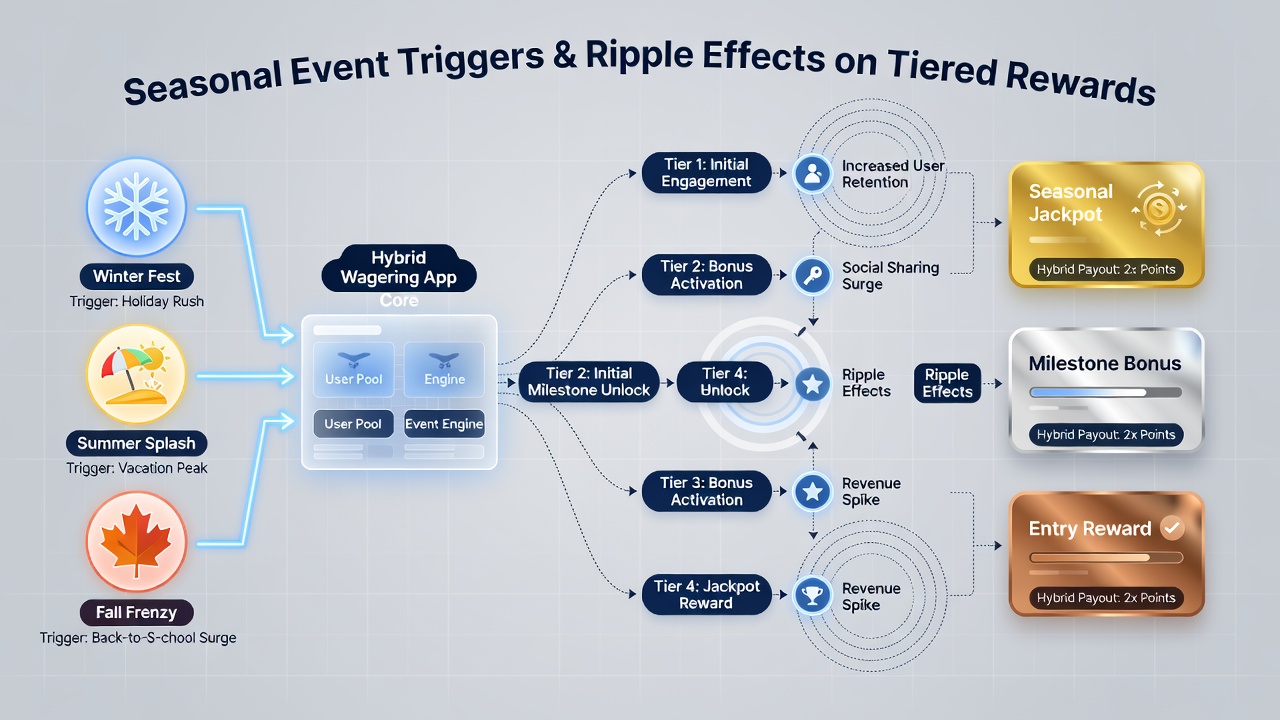
One pattern documented in platform analytics shows that seasonal triggers create temporary compression of tier timelines, where normal progression paths shorten because event credits receive bonus multipliers toward loyalty points. Research indicates this compression affects retention curves differently depending on whether the hybrid app emphasizes live sports markets or slot and table game volume, and the effect persists into the following month as users maintain the new tier status.
What's interesting is how these sequences influence cross-genre migration, since players who enter through a sports-focused seasonal event often continue into casino features to maximize the same tier benefits. Figures from North American market analyses confirm that such migration spikes occur most visibly around extended holiday periods when multiple overlapping events keep triggers active simultaneously.
Regional Regulatory Context and Platform Adjustments
Regulators in several jurisdictions have begun requesting transparency reports on how seasonal incentives interact with tier systems, and the American Gaming Association has published aggregated data showing consistent patterns in reward sequencing during 2025 and early 2026. Platforms respond by adjusting trigger parameters so that tier advancement remains compliant while still capitalizing on seasonal traffic surges.
Canadian provincial oversight bodies similarly monitor these interactions, noting that August 2026 promotions will likely follow established sequencing models refined over previous summers. The result is a more predictable yet still dynamic reward environment where users encounter layered offers that reference both the immediate event and longer-term tier status.
Examples from Platform Data
Take one documented case from a major hybrid operator where a July festival-linked promotion released credits that fed into tier calculations, resulting in 18 percent more users reaching the next loyalty bracket within 14 days compared with non-event periods. Another instance tracked through European market reports showed that autumn sports triggers extended into casino reward tiers, producing sustained engagement across the subsequent quarter.
These examples illustrate how the initial trigger rarely ends with the seasonal window because the tier system continues to recognize accumulated activity. Observers note that the sequencing becomes self-reinforcing once users cross certain thresholds, since higher tiers unlock additional event-specific bonuses in later cycles.
Conclusion
Seasonal event triggers continue to serve as entry points that reshape tiered reward sequencing in hybrid wagering applications through interconnected credit systems and activity tracking. Data collected across regions demonstrate that these effects extend beyond immediate promotions, influencing player progression paths for weeks or months afterward. As August 2026 approaches, operators and regulators alike examine these mechanics to maintain balanced incentive structures while meeting compliance standards.