The Ripple Effects of Tiered Loyalty Structures on Cross-Genre Wagering Volumes During Off-Peak Seasons
Written by Ben Müller · Aug 6, 2026
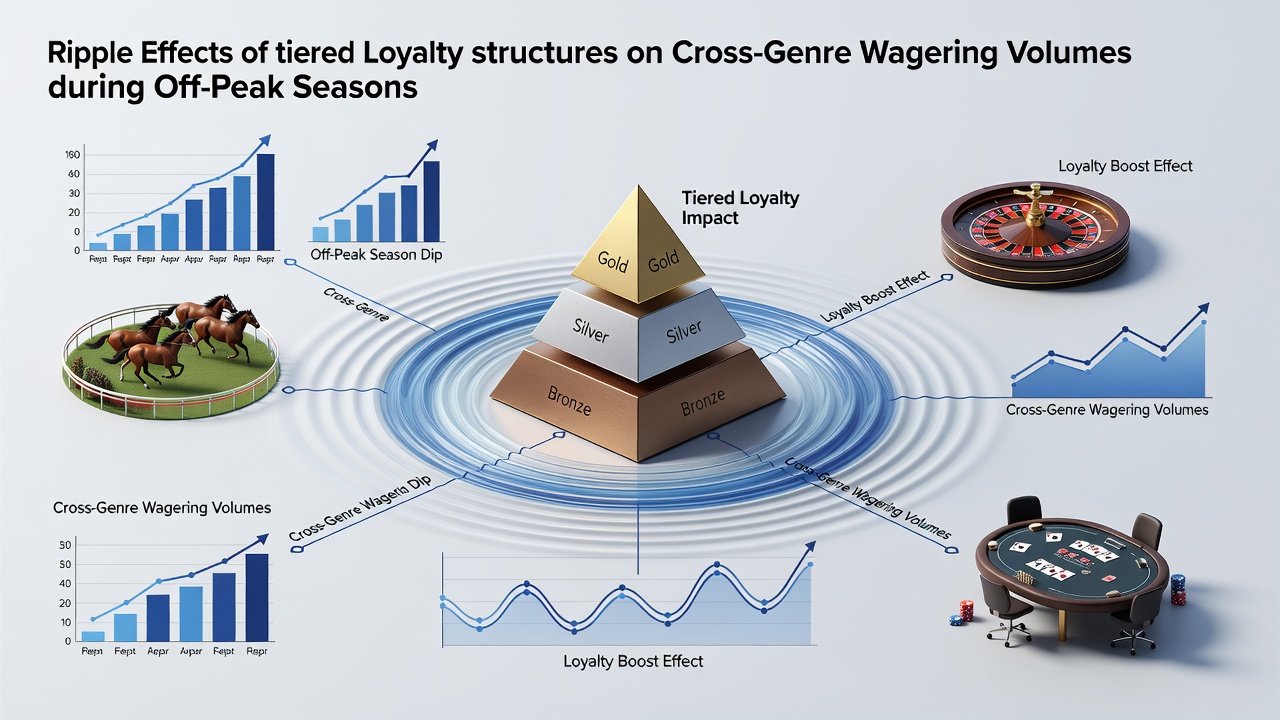
The Ripple Effects of Tiered Loyalty Structures on Cross-Genre Wagering Volumes During Off-Peak Seasons
Tiered loyalty structures in integrated betting platforms assign users to levels based on cumulative activity across sports and casino verticals, and these systems create measurable shifts in wagering patterns when major events subside. Data from multiple markets shows that participants in higher tiers maintain elevated volumes during slower months by migrating between genres to sustain their status, while lower-tier users often reduce overall spend until peak seasons return.
How Tier Progression Influences Genre Migration
Platforms calculate tier advancement through combined metrics that include sports stakes alongside casino turnover, so a user facing reduced sports options in off-peak windows frequently redirects activity toward slots or table games to protect accumulated benefits. Research from the Australian Institute of Family Studies indicates that such mechanics sustain platform-wide volumes even as individual sports betting drops by double-digit percentages in summer months. Observers tracking these patterns note that gold and platinum members accelerate casino wagers to meet monthly thresholds, whereas casual participants show minimal carryover until new leagues commence.
Volume Patterns in Summer 2026
During August 2026, several North American operators reported stable total handle despite the absence of major football and basketball schedules, and analysts attribute part of this stability to loyalty-driven cross-genre movement. Figures released by the New Jersey Division of Gaming Enforcement revealed that casino gaming revenue on mobile apps rose 14 percent year-over-year in that period while sports betting fell, suggesting that tier incentives redirected capital rather than expanding it. Lower tiers experienced sharper declines, yet the top two levels recorded net increases in overall monthly activity.
Data Points Across Regional Markets
European operators employing similar multi-genre loyalty ladders documented comparable redistribution during their own off-peak windows, with players moving from football betting to live dealer tables to preserve reward multipliers. A study published by the University of Nevada, Reno examined transaction logs and found that users who reached mid-tier status within the first six months of platform activity increased non-sports wagering by an average of 22 percent during subsequent low-volume intervals. These shifts occur because point structures reward consistent engagement across verticals, and the requirement to maintain status overrides seasonal preferences for many participants.
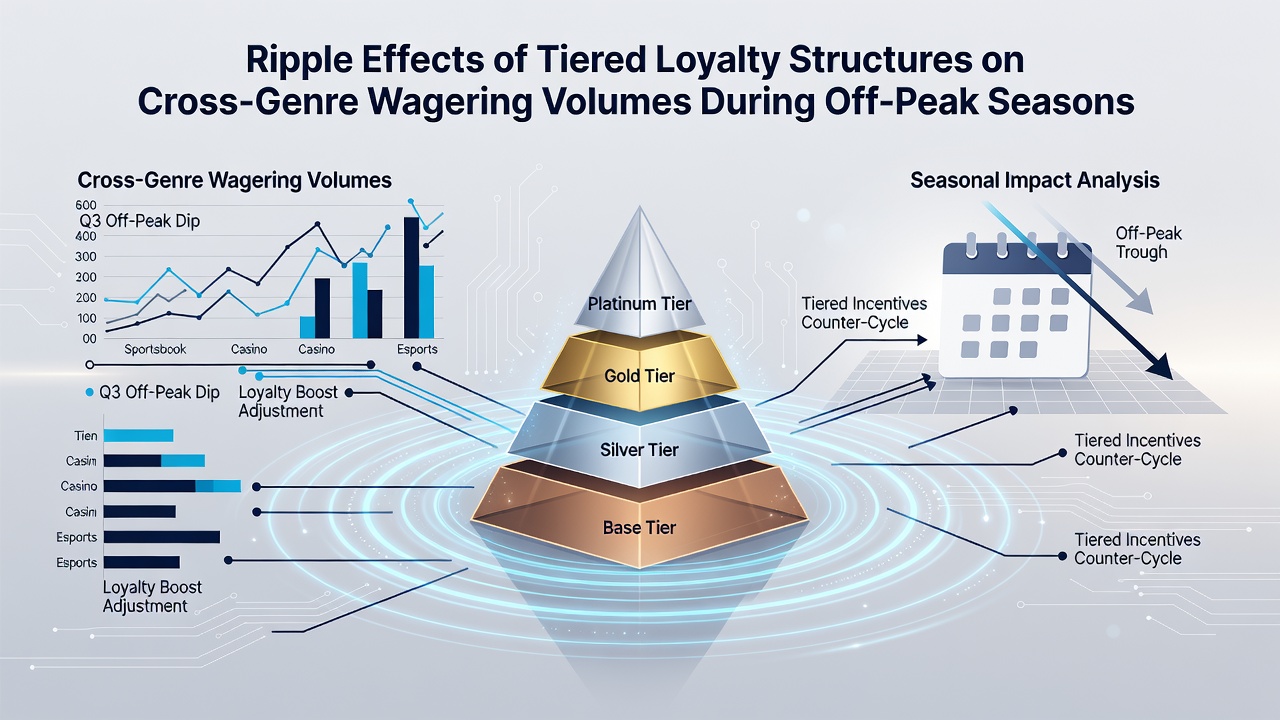
Canadian provincial data further illustrates the effect. Reports compiled by the Alcohol and Gaming Commission of Ontario show that loyalty tier retention correlated with steadier casino volumes in July and August 2026, even as sports handle contracted. Players who had already qualified for silver status or above maintained deposit frequency at rates 18 percent higher than base-level accounts during those months. The same reports note that total platform revenue remained within two percent of prior-year figures, indicating that genre migration offset some seasonal softness without generating net growth.
Mechanics That Drive the Redistribution
Most systems award accelerated points for consecutive activity streaks, so a participant who begins a casino session after a sports event ends can still progress toward the next reward bracket. This continuity reduces the incentive to pause entirely during off-peak stretches. Platform algorithms also surface genre-specific bonuses calibrated to each user's current tier, directing attention toward whichever vertical currently offers the fastest path to status preservation. Those mechanics produce the observed volume transfer rather than outright expansion or contraction of total handle.
Longer-Term Platform Effects
Over multiple off-peak cycles, higher-tier cohorts demonstrate more stable lifetime value because their activity spans both genres year-round. Lower-tier users, by contrast, exhibit pronounced seasonal spikes followed by extended lulls. Operators tracking these cohorts report that once users reach mid-tier thresholds, the probability of complete dormancy during slow periods falls sharply. The pattern holds across different regulatory environments, from Australian state frameworks to North American tribal and commercial markets.
Conclusion
Tiered loyalty structures therefore function as redistribution engines during off-peak seasons, channeling activity from one genre into another without necessarily increasing aggregate volumes. Regional datasets from 2026 confirm that retention at higher levels correlates with steadier cross-genre participation, while base-level accounts remain more sensitive to calendar-driven fluctuations. These dynamics emerge directly from the design of point systems that span multiple wagering categories.