Tracing Sequential Reward Pathways from Live Event Credits to Accumulated Tier Benefits Across Multi-Platform Environments
Written by Drew Keller · May 23, 2026
Tracing Sequential Reward Pathways from Live Event Credits to Accumulated Tier Benefits Across Multi-Platform Environments
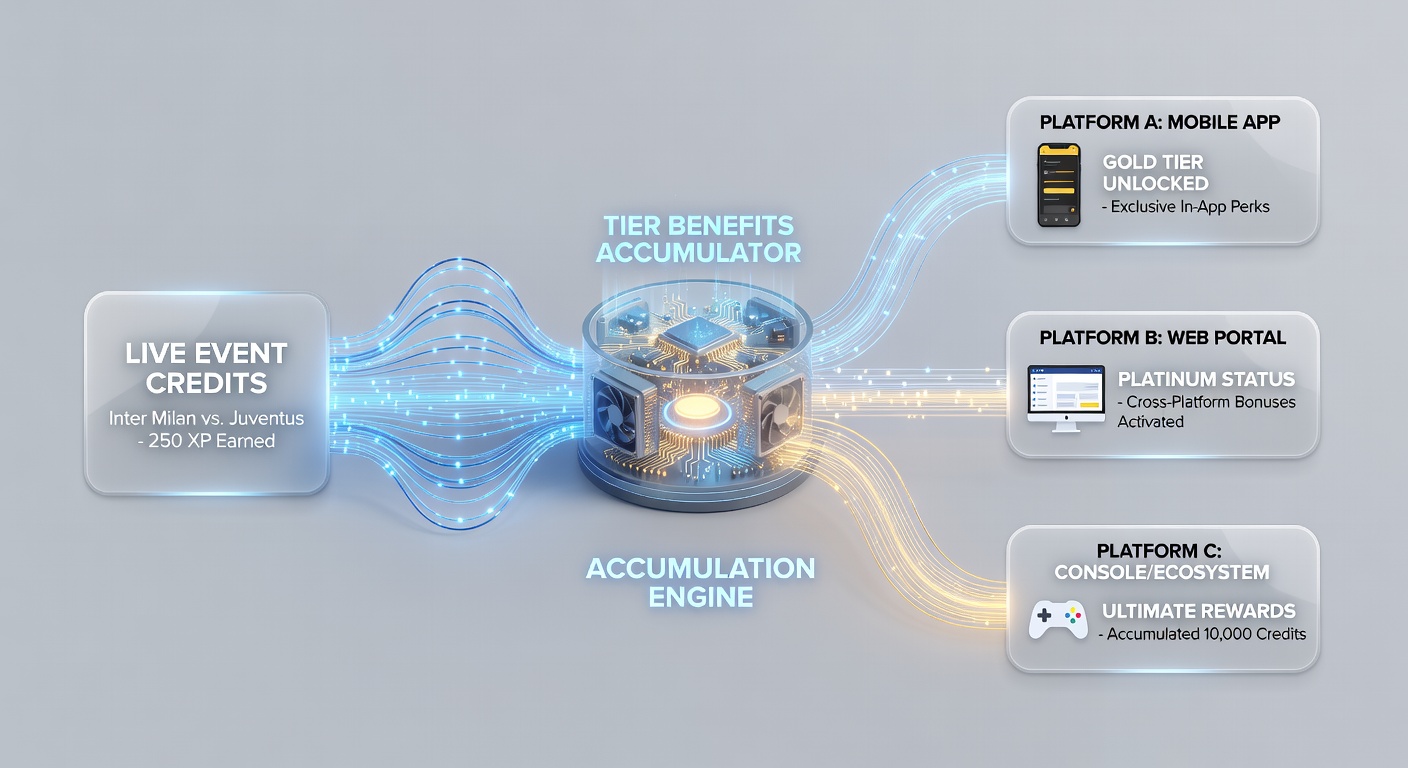
Live event credits serve as entry points in many integrated wagering systems, where participants earn them through real-time activities such as in-play bets or live dealer sessions, and these credits then feed directly into point accumulation mechanisms that determine tier status over time. Systems track each credit issuance with timestamps and platform identifiers, creating sequential records that operators use to calculate progression toward higher benefit levels.
How Credits Initiate the Pathway
Operators award live event credits based on participation metrics including wager volume during specific matches or rounds, and these credits carry unique identifiers that link back to the originating platform whether that is a mobile app for sports or a browser interface for table games. Data from platform logs shows that credits often convert at fixed ratios, such as one credit equaling a set number of loyalty points, with the conversion happening automatically once the event concludes and verification completes. Researchers at various gaming institutions have documented cases where this initial step occurs within minutes of event closure, allowing points to appear in user accounts without manual intervention.
Multi-platform environments require these credits to carry cross-compatibility flags so that points earned on one site contribute to the same tier ledger used elsewhere, and this integration relies on centralized databases that sync activity every few hours. Figures from industry reports indicate that users who engage with live events on at least two platforms see faster point accumulation compared to single-platform activity, because each environment applies its own multipliers before feeding into the shared system.
Accumulation Mechanics and Tier Progression
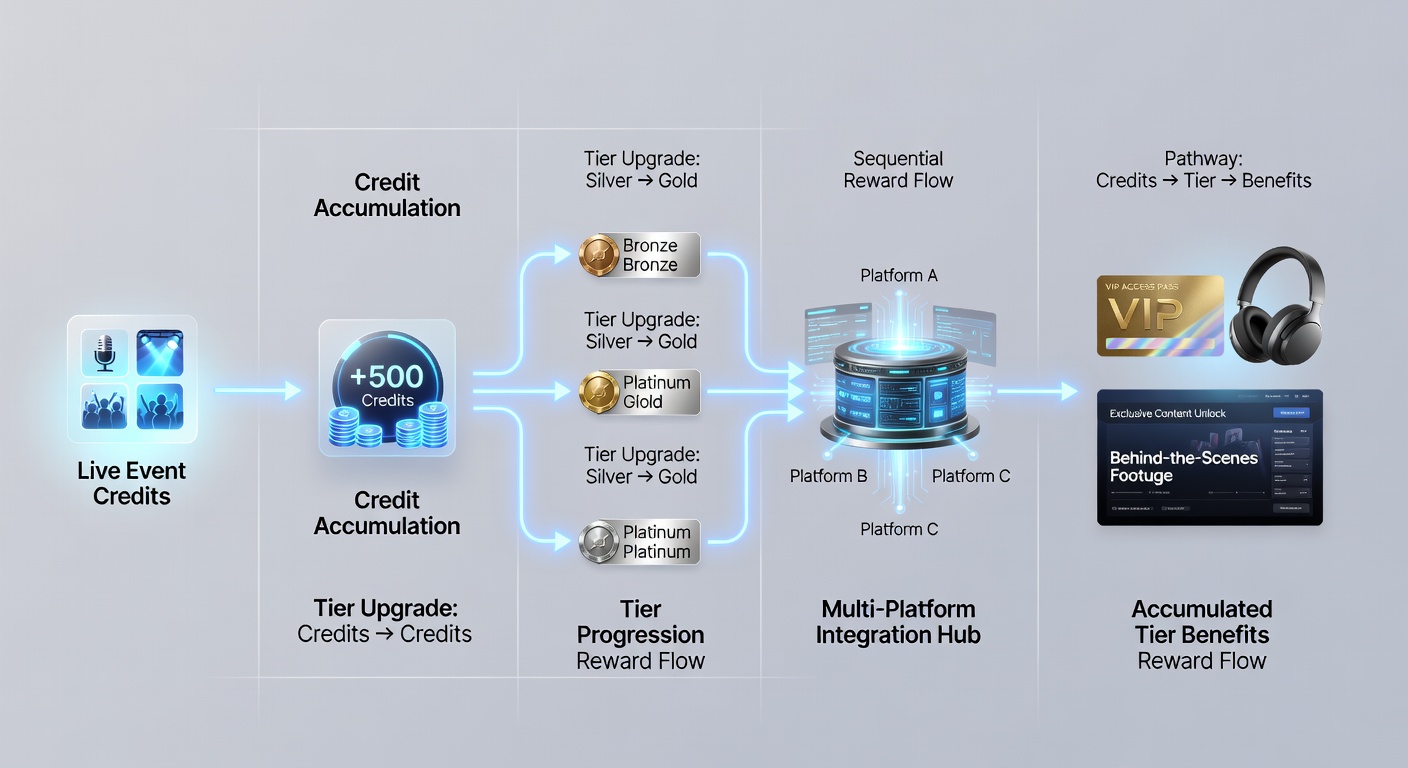
Points generated from live event credits roll into tier calculations using formulas that weigh recency, volume, and consistency, with thresholds set by operators to unlock categories such as silver, gold, or platinum. The process unfolds in stages where early credits establish baseline activity, mid-sequence additions push users toward qualification, and final tallies determine the exact tier assignment at the end of evaluation periods. Observers note that these periods often align with calendar quarters, allowing accumulated benefits to reset or carry forward depending on program rules.
One documented example involves a user who started with credits from a live soccer event on a sportsbook interface, transferred those points to a casino module through the shared account, and reached the next tier after combining them with live dealer session activity. This sequence demonstrates how the pathway connects distinct environments without requiring separate registrations, although each platform maintains its own display of current standings for user reference.
Regulatory bodies in multiple regions track these accumulation processes to ensure transparency, and data released in May 2026 from the New Jersey Division of Gaming Enforcement highlighted compliance rates above 95 percent for point tracking accuracy across licensed operators. Those figures reveal that discrepancies arise mainly from delayed syncs between platforms rather than calculation errors, prompting operators to implement more frequent reconciliation checks.
Cross-Platform Benefit Unlocks
Once tier status activates, benefits extend across environments and may include enhanced credit multipliers for future live events, priority access to certain tables or betting markets, and customized reward offers that draw from the same point pool. The sequential nature means earlier credits influence later opportunities, because higher tiers often grant retroactive adjustments or accelerated earning rates that apply to ongoing activity. Studies from academic sources such as those associated with the University of Nevada, Las Vegas gaming research center show that users maintain engagement longer when they can visualize this progression through unified dashboards.
Operators coordinate these unlocks through application programming interfaces that push tier updates to all connected platforms simultaneously, reducing the chance of mismatched status displays. Australian Communications and Media Authority guidelines, for instance, emphasize audit trails that let regulators verify how credits flow into benefits without creating isolated silos. This coordination supports environments where a user might earn credits in one region during a live event and redeem tier perks in another jurisdiction where the same operator holds a license.
Challenges in Tracking and Verification
Sequential pathways encounter hurdles when platforms experience outages or when users switch devices mid-sequence, because each interruption can create gaps in the credit-to-point chain that require manual reconciliation. Program rules often specify time windows for dispute resolution, and operators maintain logs that span at least 18 months to cover full evaluation cycles. Those who monitor these systems report that automated alerts now notify users of pending point transfers, which helps maintain continuity even during technical disruptions.
Industry organizations including the American Gaming Association have compiled datasets showing that multi-platform programs with clear sequential mapping achieve higher retention metrics than fragmented alternatives, although the exact mechanisms vary by operator implementation. Verification steps include cross-referencing transaction IDs with event schedules, ensuring that only eligible activity contributes to tier movement.
Conclusion
Sequential reward pathways connect live event credits to tier benefits through structured conversion, accumulation, and unlock stages that operate across multiple platforms in coordinated fashion. Data from regulatory and research sources confirms that accurate tracking supports consistent progression, while integration tools enable users to carry momentum from one environment to another. Continued refinement of these systems, as seen in compliance updates through May 2026, reflects ongoing efforts to align credit flows with tier outcomes in measurable ways.